LESCO Net Billing Application: Step-by-Step Guide
How to connect solar to LESCO under the 2026 net billing rules: what changed, the step-by-step application, documents, the 14kW transformer rule, common delays and existing users.
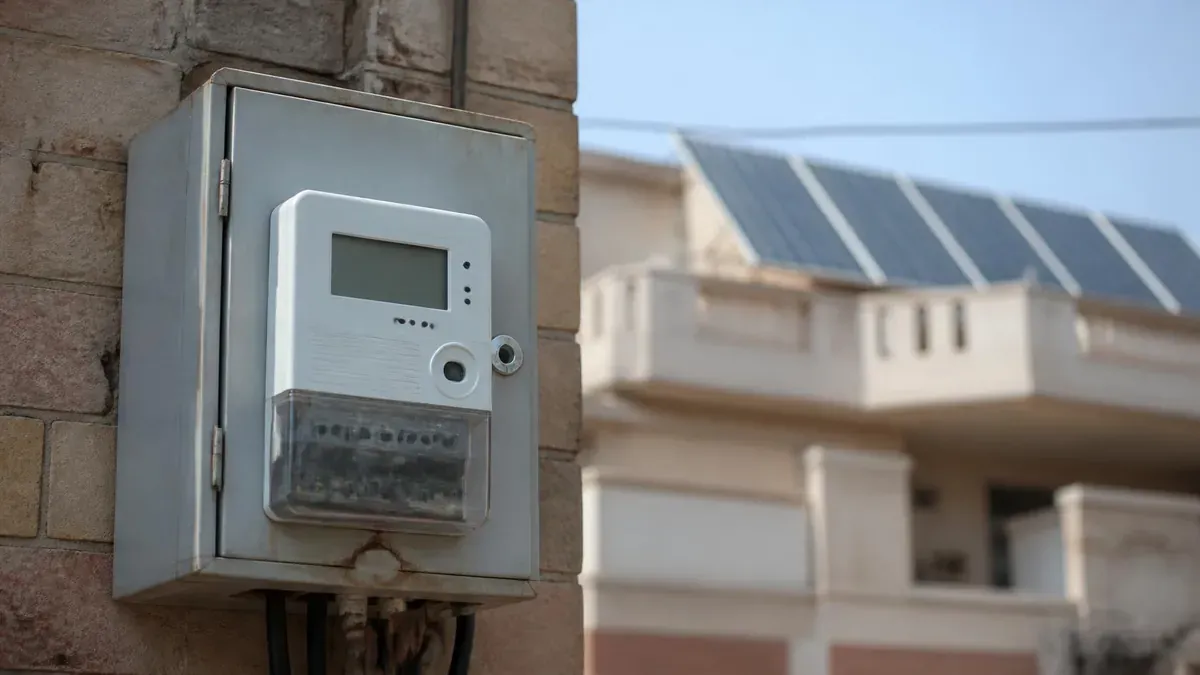
If you live or run a business in Lahore or elsewhere in LESCO's service area, connecting your solar system to the grid means going through LESCO's approval process. Since February 2026, new connections are on net billing rather than net metering, but the practical steps are similar: documents, technical checks, an agreement, and a bidirectional meter. This guide walks through the LESCO net billing application step by step, lists the documents you are likely to need, explains the 2026 rule changes, and highlights common causes of delay. Rules and fees can change, so confirm current requirements with LESCO or your installer.
What Changed in 2026
NEPRA notified the NEPRA (Prosumer) Regulations 2026 on 9 February 2026, replacing the 2015 net metering regulations. Key points, as reported at the time and in later NEPRA notifications:
- New solar, wind and biogas systems up to 1MW are on net billing.
- Exported units are credited at the national average energy purchase price, reported at around Rs 8 to 11 per unit when the rules came in, and subject to revision.
- Imported units are billed at your applicable consumer tariff.
- If the value of your exports exceeds your imports, the credit is carried to the next bill or paid quarterly.
- The standard agreement term is five years, down from seven.
- Two-way metering is required, either a single bidirectional meter or dual meters.
- News reports cited a non-refundable concurrence fee of Rs 1,000 per kW.
- Existing agreements signed before 9 February 2026 keep their old rate and mechanism until expiry (SRO 547(I)/2026), but this protection ends if the system is materially modified in a way that changes its maximum output.
For the full background, see the net metering guide on our blog.
LESCO Net Billing Application: Step by Step
Step 1: Check your sanctioned load and connection
LESCO checks that your proposed solar capacity is consistent with your sanctioned load. If your system would exceed it, you may need a load extension first. Also confirm whether you are single-phase or three-phase, as this affects inverter choice.
Step 2: Check the 14kW threshold
According to news reports from May 2026, LESCO requires systems above 14kW to have a dedicated (private) transformer before approval, while systems up to 14kW follow the normal process. If your design is above 14kW, factor in the transformer cost and time before you buy equipment.
Step 3: Install and commission the system
The system should be installed with equipment that meets the applicable technical standards, including inverters with anti-islanding protection, so they shut down when the grid fails.
Step 4: Prepare and submit documents
Your installer typically prepares the technical file and submits the application on your behalf.
Step 5: Technical review and site inspection
LESCO reviews the application, checks technical feasibility on the local network and may inspect the site.
Step 6: Agreement and approval
Once approved, you sign the agreement with LESCO and the required approvals or concurrence are processed. Fees and any connection charges are paid at this stage.
Step 7: Bidirectional meter installation
LESCO installs or approves the two-way metering. From then on, your bill reflects both imported and exported units under net billing.
Documents Usually Required
| Document | Notes |
|---|---|
| Application form | LESCO's prescribed form for distributed generation |
| CNIC copy | Of the consumer named on the bill |
| Recent electricity bill | Showing reference number and sanctioned load |
| Proof of ownership | Or tenancy agreement with owner's NOC |
| Single-line diagram | Showing panels, inverter, protection and connection point |
| Equipment datasheets | Panels and inverter, including anti-islanding compliance |
| Installer credentials | Details of the installing company and certification where required |
| Installation or test certificate | Confirming the system was installed and tested |
This list is based on published guides to the LESCO process in 2026. LESCO may ask for additional documents depending on your case.
Common Causes of Delay
- Name mismatch between the CNIC, property documents and electricity bill.
- Solar capacity higher than sanctioned load.
- Missing owner NOC for rented properties.
- Inverter model without the required compliance documentation.
- Incomplete single-line diagram or missing protection details.
- Transformer requirement discovered late for systems above 14kW.
- Outstanding dues on the electricity account.
Is Net Billing Still Worth It?
For most homes and businesses, a grid connection is still worthwhile. It lets you export surplus when you are not using it and draw from the grid when solar is not enough. The difference now is that exported units are worth far less than imported ones, so the economics favour using your own solar first. Practical steps:
- Size the system to your daytime use rather than for export.
- Run pumps, washing machines, irons and similar loads in daylight.
- Consider a battery if you have high evening use. See our on-grid vs hybrid vs off-grid guide.
Existing Net Metering Customers
If you signed a net metering agreement with LESCO before 9 February 2026, NEPRA's 2026 amendment says you continue on the old rate and mechanism until your agreement expires. Be careful about expanding your system: a material modification that changes the maximum output can end that protection. Talk to your installer before adding panels or changing the inverter.
System Design & Supply by MTS TRADERS
MTS TRADERS designs, supplies and installs solar systems across Pakistan as part of its services. Since 2017, we have completed more than 2,000 installations, many in LESCO's area around Lahore. We provide the equipment, single-line diagrams, and technical specifications for the solar installation, while net-billing applications and paperwork are handled by the customer.
Before You Apply: A Quick Checklist
- Your name (or the applicant's) matches across CNIC, property documents and the electricity bill.
- No outstanding dues on the account.
- Sanctioned load checked against planned solar capacity.
- Connection type (single or three-phase) confirmed.
- Transformer requirement checked if the system is above 14kW.
- Inverter model has the required compliance documents.
- Single-line diagram and equipment datasheets ready.
- Owner NOC obtained if the property is rented.
Getting these right before submission saves time. If you are still choosing equipment, our Huawei vs GoodWe vs Solis comparison covers inverters commonly used for grid-connected systems.
Choosing Equipment That Passes Review
Technical review goes faster when the inverter and panels are well-documented models that LESCO's reviewers see often. Make sure your installer provides complete datasheets, the inverter's anti-islanding compliance, and a clear single-line diagram showing DC and AC protection, the connection point and the metering arrangement. Avoid last-minute equipment swaps after submission, since changing the inverter model or capacity can mean updating the application.
Frequently Asked Questions
How long does LESCO net billing approval take?
It varies with workload, completeness of documents and whether technical changes are required. Complete, accurate paperwork is the best way to avoid delays.
Do I need a transformer for a 15kW system in Lahore?
According to May 2026 news reports, LESCO requires a dedicated transformer for systems above 14kW. Confirm the current rule before buying.
What rate does LESCO pay for exported units?
Under net billing, exports are credited at the national average energy purchase price set by NEPRA, reported at around Rs 8 to 11 per unit when the rules came in. It can be revised.
Can tenants apply for net billing?
Generally yes, with a tenancy agreement and the owner's NOC, but check the current requirements.
Let Us Handle the Paperwork
Want a system that is sized correctly for net billing and connected without headaches? Use our solar calculator, then contact us or call 0300-4152648 for a free quote that includes grid connection support.